
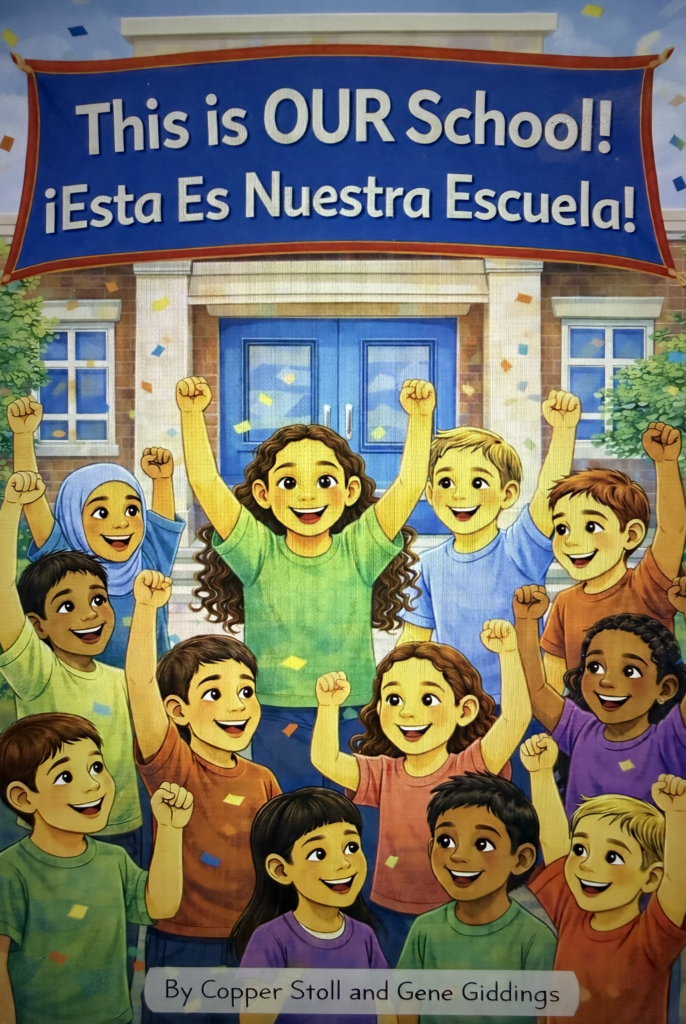
When Copper was in District 50 and was the Chief Academic Officer, she wanted to have a vehicle to explain to children and parents the personalized mastery way of learning that was evolving in the district. She drafted the narrative of a Children’s book that was illustrated by 4th graders in Diane Logsdon’s class. We had 10,000 books printed and every student was given one to take home to read and discuss with their parents.
After spending the last 18 years trying to convince and transform school systems to change and empower learners to master the standards, Gene and Copper have felt there needed to be another lever for change. They brought back the idea of using a Children’s Book to help people visualize the possibilities.
In 2019, they brainstormed ideas for a series of children’s book to motivate kids to be involved in their own learning and show teachers what it might look like.
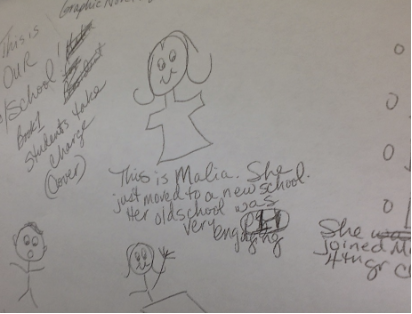
They started with Stick figures on Jan 28, 2020. DES meets in person once a month and daily on the phone to further their work. They created a draft of Book 1 in a Powerpoint with stick figures dated February 21, 2020.
Pages from the Powerpoint:
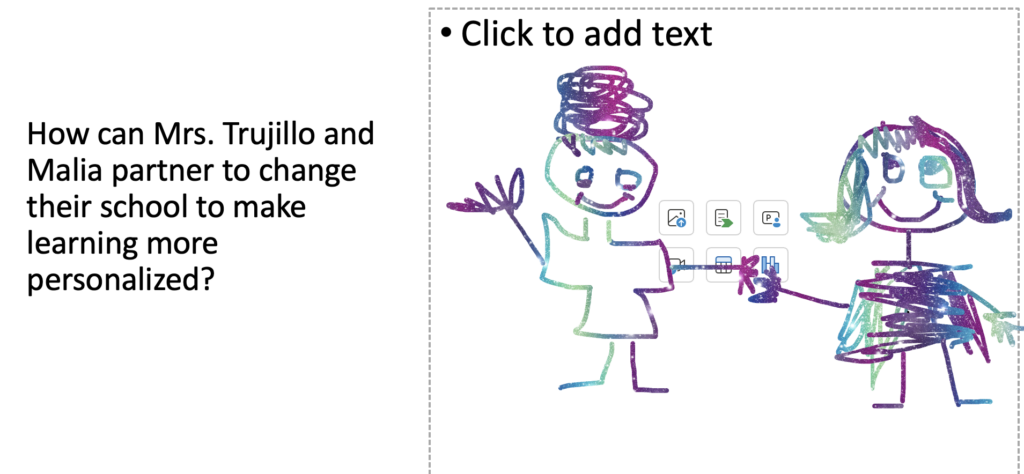
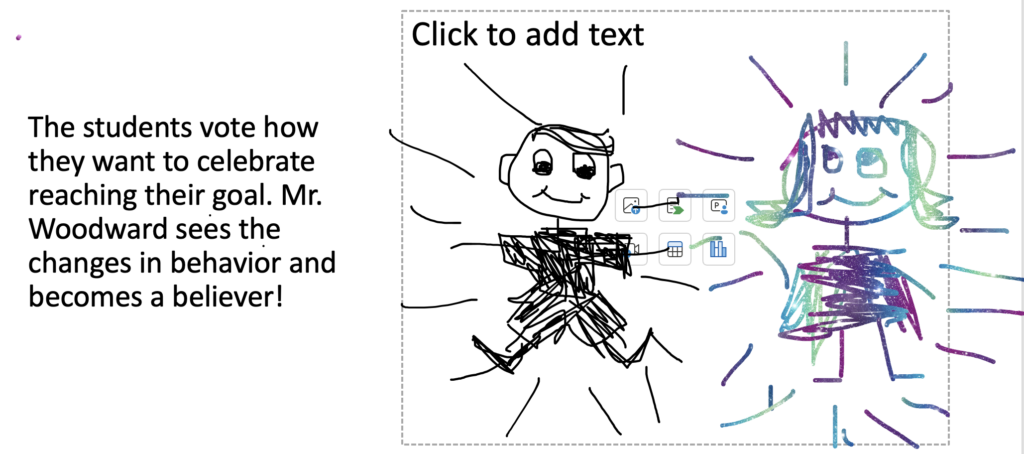
Unfortunately, the pandemic shut down the world and so the idea was shelved. The pandemic and opportunity to work in Wyoming Spring of 2022 postponed any further work on the Children’s book. In the meantime, we were trying to find someone to illustrate the book but was too expensive.
With the creation of AI and our subscription in Chat GPT, we brought the book back out in the Fall of 2024 and began to create illustrations to match the narrative. As that work was progressing, we offered the book idea to our former publisher that had been bought by Bloomsbury. They weren’t interested in a picture book.
When the book was drafted we made a flip book with narrative and illustrations and shared it with TAMIS (an elementary school) in Mexico that Copper was consulting with. We decided that the book needed to be bilingual in Spanish so we used Google Translate to convert the English version and had a teacher at TAMIS read and refine the grammar. We also added a definition to right on the same page instead of creating a separate glossary. We hoped this would enhance comprehension of the tools and education-ese.
We decided to self-publish and completed the draft into an Amazon Kindle paperback book but were unsatisfied with the coloring of the muted illustrations and redid the illustrations in more primary colors. We resent the more colorful draft to Amazon, examined a proof and had it finalized for print.
We have been sharing the book with friends and family and our most interesting feedback came from our grandsons, who both said separately, “Teachers don’t want our feedback”, which underscores the need for a philosophical shift to partner with the learners.